19.09.2025
How Sponsors and Brands Can Better Understand U.S. Soccer Fandom
The 2026 FIFA World Cup is right around the corner, so now is the time for brands and sponsors to get ready for the world's biggest sporting event. But how can those interested parties take full advantage of this once-in-a-generation opportunity? SPORTFIVE explains how they can do so by providing insights into U.S. soccer fandom that will help brands win.
How does the U.S. fan interact with soccer?
It’s important to highlight that 39% of the American population shows interest in soccer in some capacity. That’s roughly 130 million people, which is equivalent to the size of Mexico, the 10th largest country in the world.
But of that group, SPORTFIVE has identified seven subsects that help paint the complex picture that is U.S. soccer fandom. Here are the different groups of American soccer fans, and how they interact with the sport overall.
The Seven U.S. Soccer Fan Personas
These Seven Personas exist across a spectrum, with some fans leaning toward "Sport-First" while others tilt towards "Culture-First." SPORTFIVE has segmented these Personas across this spectrum, showing why they're fans and how they interact with the sport.
Brands can use this spectrum to better understand how to best reach and interact with U.S. soccer fans.
1. The Ultra (18% of U.S. soccer fans)
The ultimate soccer fan who devours content from numerous global leagues, such as the English Premier League, Germany’s Bundesliga, Spain’s La Liga, and the MLS in the United States. Not only do they watch these games on live television – at any time of day – but this subsect consumes the sport through sports blogs, club websites, and social media content. They live, breathe, and think about the sport constantly. This group also tends to be the first adopters of new platforms and services, making them ideal for digital first brand strategies.
2. The Club Till I Die (12%)
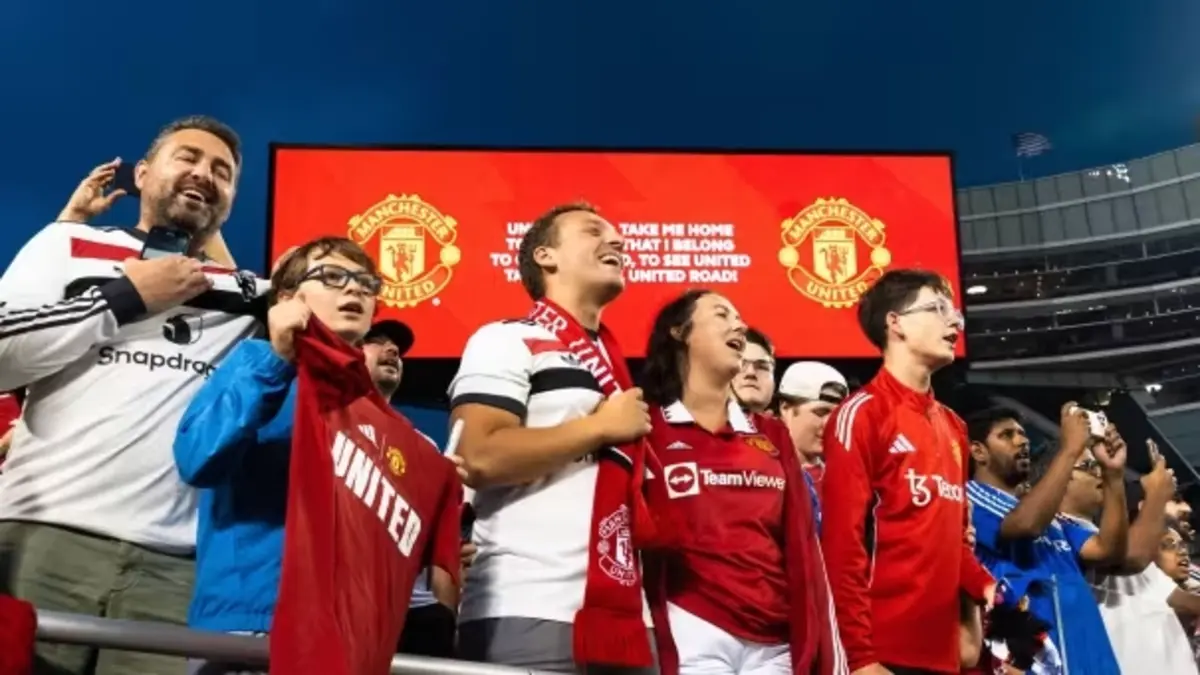
Deeply loyal to a specific club, such as Borussia Dortmund in Germany, Manchester United in England, or the New York Red Bulls in the United States, this fan’s entire week is fixated around a team. Their mood, schedule, and overall plans revolve around the club’s games. This group is also heavily involved in the day-to-day discussion surrounding the club across social media and other digital platforms. They help drive the narrative and the overall scope of a given team’s current situation.
3. The International (11%)
Despite living in the United States, this fan prefers the historical significance, culture, style, and tactics of European leagues. They also tend to be more affluent and well-traveled, making their affinity for European fixtures stronger. Their previous visits abroad make them yearn for it more, which means they are willing to pay for premium experiences to satisfy their fandom. Consequently, this group values international fashion, media, and life-style brands, making those brands attractive to this subsect of the U.S. market.
4. The Domestic (22%)
While this group of fans keeps an eye on global soccer, their primary allegiance is to North American leagues, such as the MLS, Liga MX in Mexico, and the NWSL. 9-in-10 Domestic Fans follow MLS actively, engaging with the league and teams on social media and reading opinions, news, and analysis online. They reflect the rising mainstream interest in domestic soccer in the United States. Interestingly, this persona is the wealthiest group to access, with 41% boasting a household income of $100K or more.
5. The Culturalist (21%)
A much younger demographic, these fans enjoy being a part of something bigger than themselves. They frequent platforms like TikTok and Instagram and value fandom experiences over the technical understanding of the sport. They’re not necessarily match-focused, but content with everything that surrounds the games or big events themselves, whether it be social gatherings, parties, or even on-site activations. In turn, this group will share their experiences and photos across social media, thus attracting even more interest from younger individuals.

6. The Flipper (9%)
Named after the art of ‘flipping around the TV,’ this fan tends to be older, surfing different channels and consuming whatever match is on. They don’t align with a particular team, nor do they actively engage in conversations across social media. They do not arrange social plans on match day to watch the game either, but they still represent a valuable demographic. This group appreciates straightforward messaging and nostalgic branding, whether it be through the likeability of a team or a star player.
7. The Tourist (9%)
Like ‘The Culturalist’ in nature, this group engages with soccer during major events like the FIFA World Cup, making them crucial targets during tentpole campaigns and big moments. Despite not keeping tabs on the sport on a year-round basis, these fans love being a part of watch parties, branded fan zones, and retail promotions. The FIFA World Cup is a massive moment for the entire world, which draws people in from all walks of life. Hence, these Tourists, who want to engage with the FIFA World Cup, will engage heavily over a short period time and therefore spend more on travel, merchandise, and food/beverage.
Impact of Latin American fans
Our Personas prioritized behavior and psychological traits regarding “how” fans follow soccer, deemphasizing “who” they are from a demographic standpoint. SPORTFIVE focused on their moods and behavior toward the sport.
That said, given the large Hispanic and Latino population within the U.S., it’s impossible to discuss soccer without understanding this demographic. Soccer is ingrained in Latin American culture. The passion for their clubs and national teams is unrivaled. They have thus become the heart and soul of soccer culture in the United States.
Per SPORTFIVE research, the average age of Hispanic/Latino fans is 32 years old. They consume soccer content visually, through Instagram and Tik Tok, and prefer Spanish language channels, such as Telemundo and Univision. Brands should strongly consider advertising and marketing campaigns in Spanish for the strongest visibility.
On the flip side lies non-Hispanic/Latino fans, who, on average, are 37 years old and are more European and MLS centric. This group follows soccer content more via the written word and they follow mainstream English channels like ESPN and Fox Sports.
Notable Soccer Fan Media and Engagement Trends
Beyond the personas of U.S. soccer fandom, SPORTFIVE’s study has revealed vital patterns in how fans consume media and how brands can meet them where they are at:
Influencer Impact: Almost 66% of U.S. soccer fans follow at least one streamer or influencer. A staggering 70% of these individuals watch influencer content across YouTube, Twitch, and TikTok several times per week. MrBeast is currently the most followed influencer in the space.
Platform Usage: TV and social media remain dominant for keeping up with favorite teams. Facebook and Instagram lead the charge, while YouTube is the primary channel for influencer consumption. Streaming services like ESPN+, FuboTV, and DAZN, all of which air live matches and programming, are favored by digital native fans.
Emotional Commitment: 80% of fans arrange their social lives around match days while 70% report that their mood is significantly affected by game results. That figure only increases during the FIFA World Cup. This emotional link to the game presents a strong opportunity for an emotionally resonant sponsor brand marketing.
Social Group Fan Formation: Family and friends are the most common drivers of fan identity formation. This highlights the role of community in initiating and cultivating long-term fandom beyond childhood, which, in turn, is passed on to future generations.
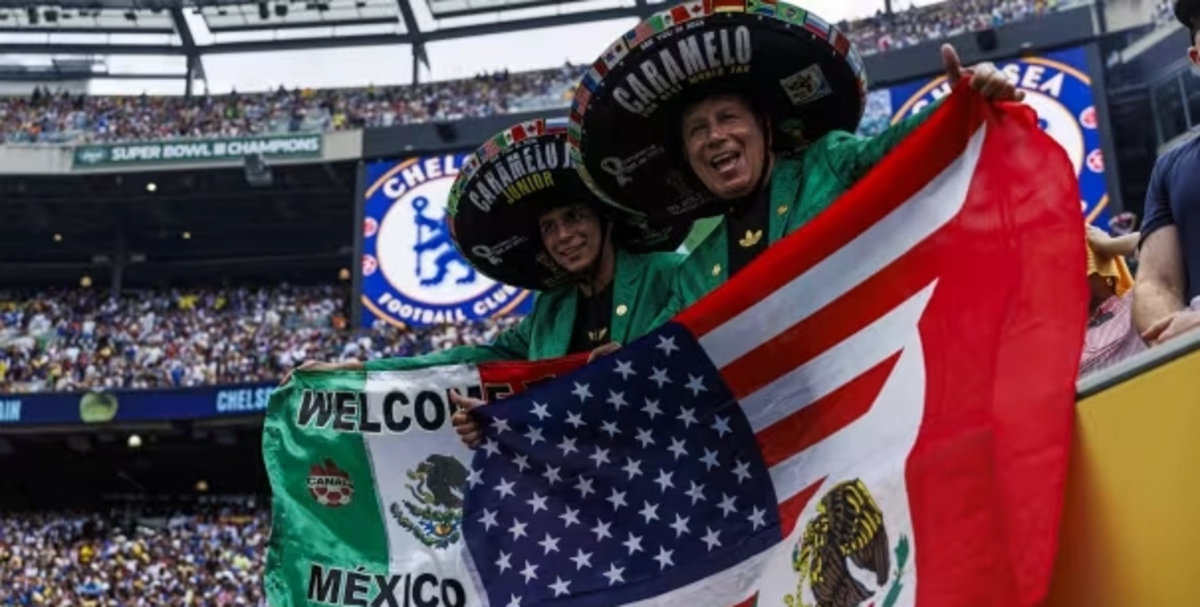
These patterns showcase a rich ecosystem of fan engagement that goes beyond the game itself. Soccer extends into one’s lifestyle, digital consumption, and emotional investment. Brands would be wise to understand these pathways.
Reaching The Right Fan as a Sponsor
Brands must go beyond a monolithic “soccer fan” approach and instead target specific personas, meeting the fan where they already are.
Crypto and Tech Companies may resonate best with The Ultra and Club Till I Die Personas due to their trend-forward nature and spending habits.
Lifestyle and Fashion Brands could find a strong fit with The Culturalists and The Tourists, who view soccer primarily as a cultural and social experience and are willing to spend.
Family-Centric Brands, like auto or travel, might benefit from aligning with The Domestic, who are likely to have children at home and prioritize attending local and domestic live events.
Media and Streaming Services have an opportunity to engage with our casual, yet sports happy Flippers through highlight packages and curated experiences around soccer.
Click to read the original article
Kontakt
SPORTFIVE
Frederik Festner (Senior Director Marketing Communications)
E-Mail: frederik.festner@sportfive.com
Web: sportfive.com